Creatine for Women: What It Does, and What It Doesn’t
Every reel says creatine is for muscle, bone, and brain. The evidence does not split evenly across those three. Dr. Shad Abdulla, ND, breaks down which claim has Tier 1 support, which one rests on a single small trial, and which one the largest two-year study could not confirm, plus the dose and safety notes that actually matter.
Senolytics: Real Science, Premature Product
Senolytic supplements like fisetin and quercetin get sold as zombie-cell killers that reverse aging. The science underneath senescence is real, but the product on the shelf is premature. Dr. Shad Abdulla, ND reviews the actual trial evidence for healthy women 30 to 45, including the reproductive-age question almost nobody asks, and gives you a decision tree to use before you spend anything.
What Your AMH Result Actually Means (Updated May 2026)
AMH is being pitched as a longevity score or an "egg count." It's neither. AMH is useful in a narrow set of clinical scenarios, but the lab value isn't a verdict on your fertility or biology. Here's when ovarian age testing earns its place, when it doesn't, and the four questions worth bringing to your next appointment.
Why 16:8 Fasting May Be Too Short (And What Works)
16:8 has become the default intermittent fasting protocol, but the evidence on whether it actually moves the needle on autophagy, metabolic flexibility, and longevity is thinner than the hype. Fasting isn't about doing less. It's about doing what matters. Here's why 16:8 may be too short for the outcomes you want, and what the research suggests about fasting windows, protein timing, and chrononutrition.
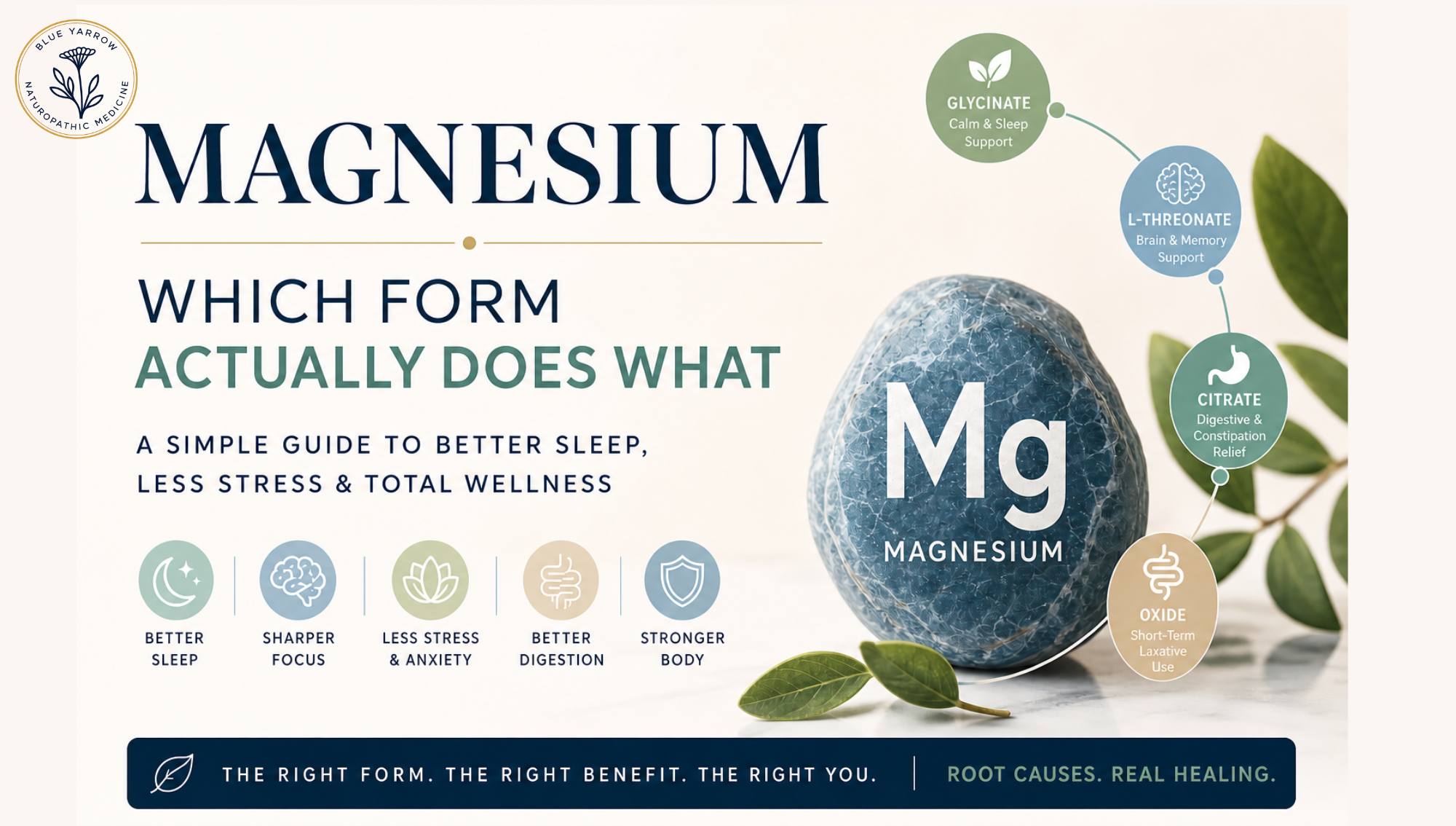
Beyond the Hype: The 2026 Guide to Picking the Right Magnesium
Dive into the deep research on which form of magnesium does what for the body and how to choose the right form for you